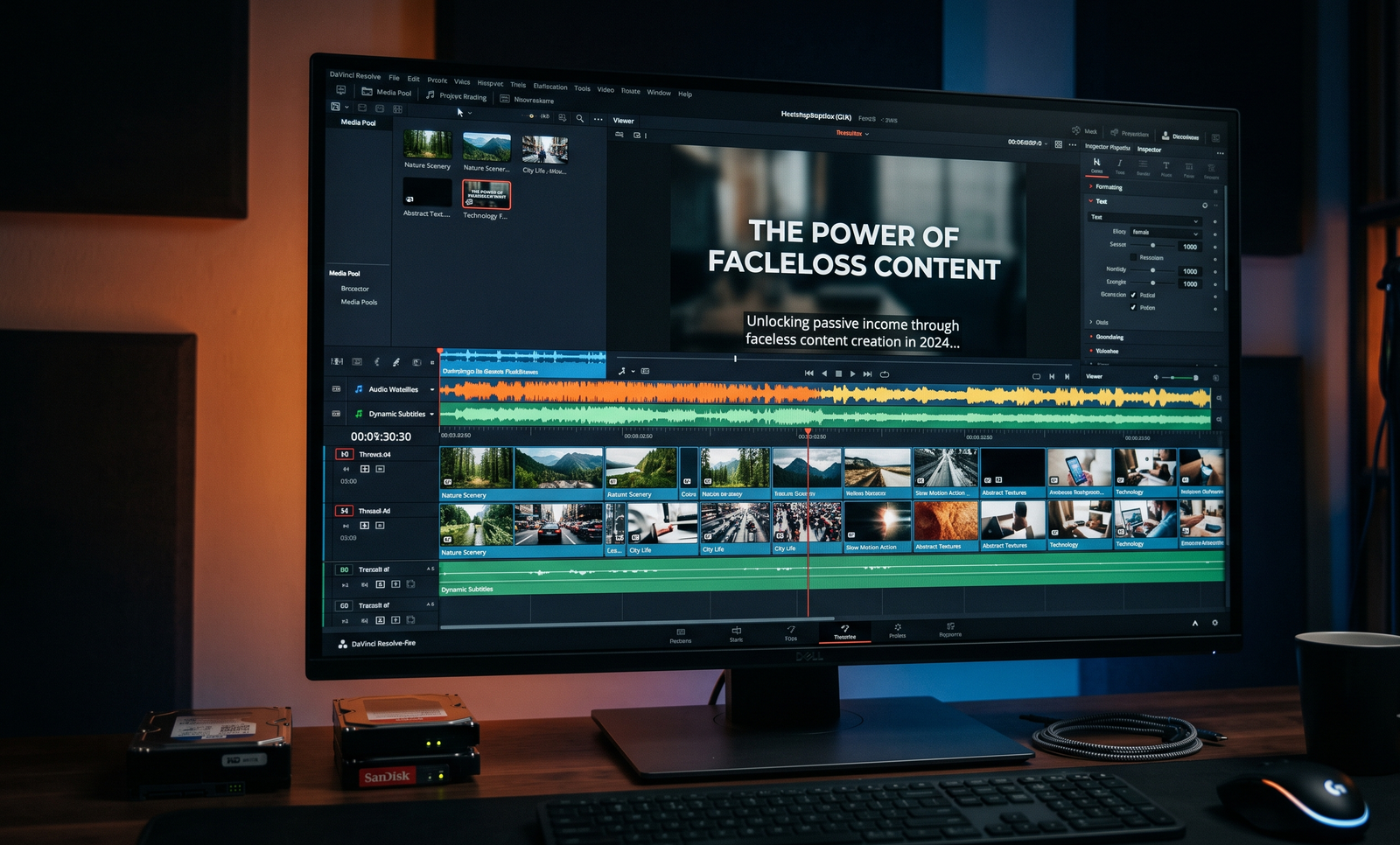
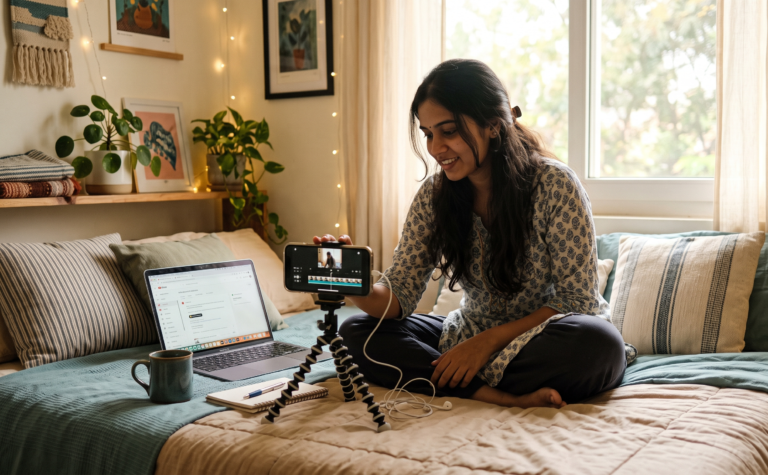
A video editing course doesn’t need a big budget to sell well. In fact, some of the simplest courses sell faster than the expensive ones. Creators record these on a phone, edit them in CapCut, and price them under the cost of a movie ticket.
This guide breaks down how to build a specific, low-cost video editing course. It also covers how to sell it without a big following or a fancy setup.
Why a Video Editing Course Is Easier to Sell Than It Looks
Demand for video editing skills keeps growing. Everyone with a phone wants sharper Reels and Shorts, but few people know how to edit them well.
A video editing course has another advantage: a low production barrier. You can teach it by screen-recording your own edits — no studio, no crew, no expensive gear.
CapCut makes this even easier. It’s free, mobile-first, and has become the default editing app for short-form creators. That lowers the barrier for both the teacher and the student.
Why “Specific” Beats “Complete” in Video Editing
A “Complete Video Editing Masterclass” sounds impressive, but it competes directly with thousands of free YouTube tutorials.
A narrower course wins instead. For example, “Edit Instagram Reels in CapCut in Under 3 Hours” solves one clear problem for one clear audience.
This narrow focus also shrinks production time. Less content to record means a lower price makes sense, which is exactly what makes a ₹500 course work.
What You Actually Need to Build One
The list is shorter than most people expect:
- A phone or laptop with a screen recorder
- CapCut itself, for both editing and demonstrating edits live
- A basic microphone — even a phone mic works at this price point
- A simple way to deliver it: a WhatsApp group, a Google Drive folder, or a basic course plugin on WordPress

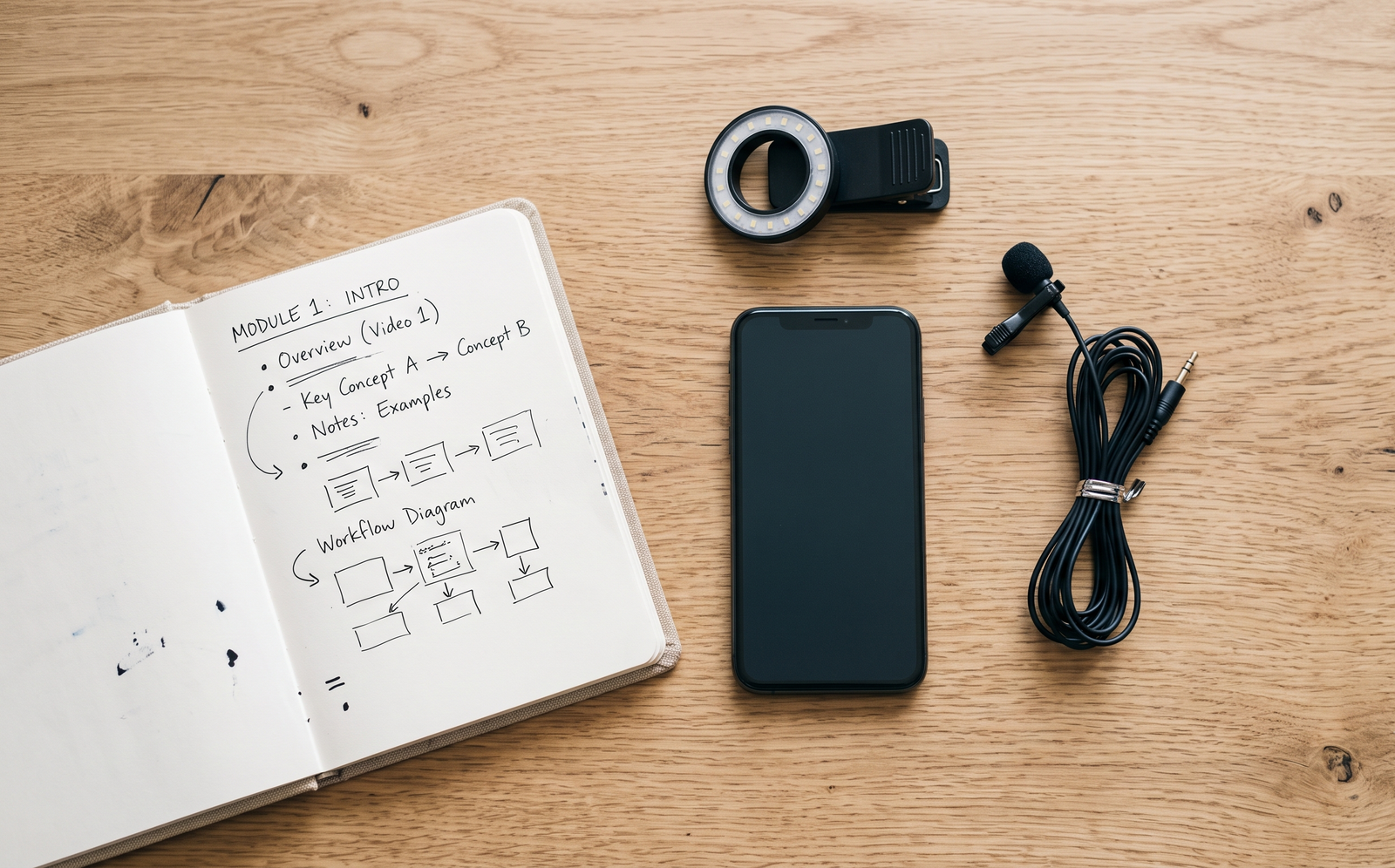
None of this requires a studio, a paid course platform, or a large upfront investment.
Step-by-Step: Launching Your ₹500 Video Editing Course

- Pick one narrow outcome. Not “learn video editing” — something specific, like editing wedding reels or YouTube intros.
- Record five to eight short lessons. Each one should solve a single step in that outcome, not the entire skill.
- Price it low on purpose. A price like ₹499 removes hesitation and makes people decide to buy almost instantly.
- Sell it through WhatsApp or Instagram first. Skip course marketplaces initially; a warm audience converts faster than a cold one.
- Turn your first buyers into proof. Their results and feedback become the marketing for your next, slightly higher-priced course.
How Much You Can Realistically Earn
At ₹499 per student, a hundred sales in a month brings in roughly ₹50,000. That’s achievable with a small, engaged Instagram or WhatsApp audience, not a massive one.
This income sits in similar territory to other passive income ideas. The difference is a course keeps earning long after you’ve recorded it once. As it sells consistently, it becomes proof of demand for a higher-priced, advanced version too.

Mistakes That Kill Low-Cost Editing Courses
- Making the course too long. More lessons don’t mean more value; they increase the chance of a student who never finishes the course.
- Pricing low with no next step. A ₹499 course without a follow-up offer caps your income instead of building toward it.
- Skipping structure because it’s cheap. Even a low-cost course needs a clear order — students still expect a course, not a pile of clips.
I’ve taught video editing to beginners myself. The pattern holds every time: students finish and refer others when a course is short and specific. They rarely do when it’s long or feature-heavy.
Conclusion
A low-cost video editing course isn’t a smaller version of a “real” course. It’s a faster way to prove demand, build trust, and earn consistently. It relies on tools like CapCut that most students already have on their phones. Start narrow, price it to remove hesitation, and let the course sell itself.